Sudbury // Suffolk
A walk around the historic highlights of a Suffolk town

As the weather is getting a little more clement for outdoor adventures I thought I’d take you on a little walking tour today. The town of Sudbury in Suffolk has a long history and if you have time to explore on foot, it’s a great place to spend an early Summer afternoon.
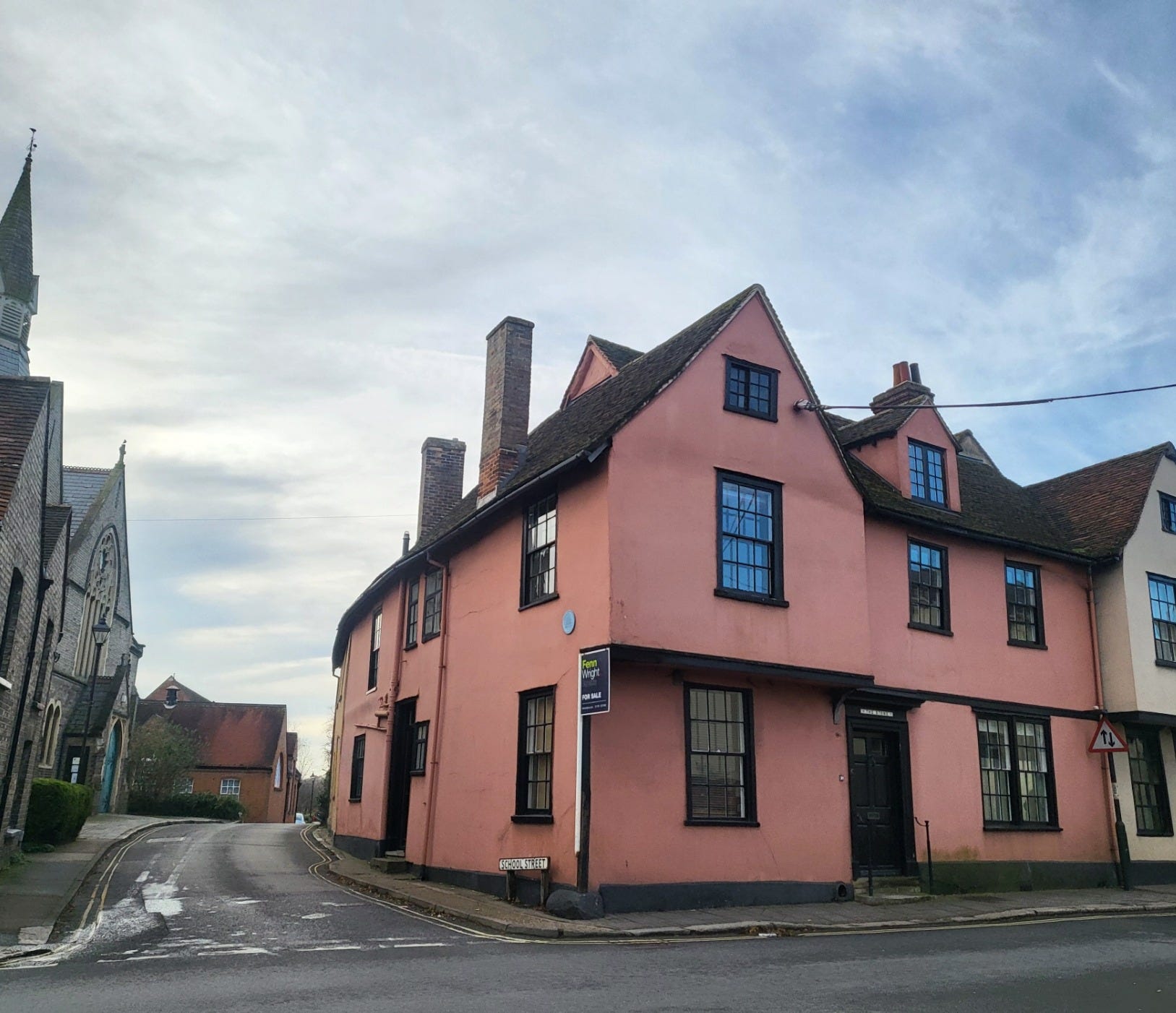
The settlement dates back to Anglo Saxon times and its status as a market town was established in the 11th century. This is such a fascinating old town, it was actually difficult to decide what to include. I’ve decided to cover seven places which stick in my mind from my first visit here in the Summer of 2024. It picks tales which connect us to Sudbury’s monastic heritage in the middle ages to Victorian times, as well as touching on Sudbury’s connection to events elsewhere. There is a fantastic heritage centre here in Goal Lane and I recommend a visit if you get time.
One: Blackfriar’s Priory
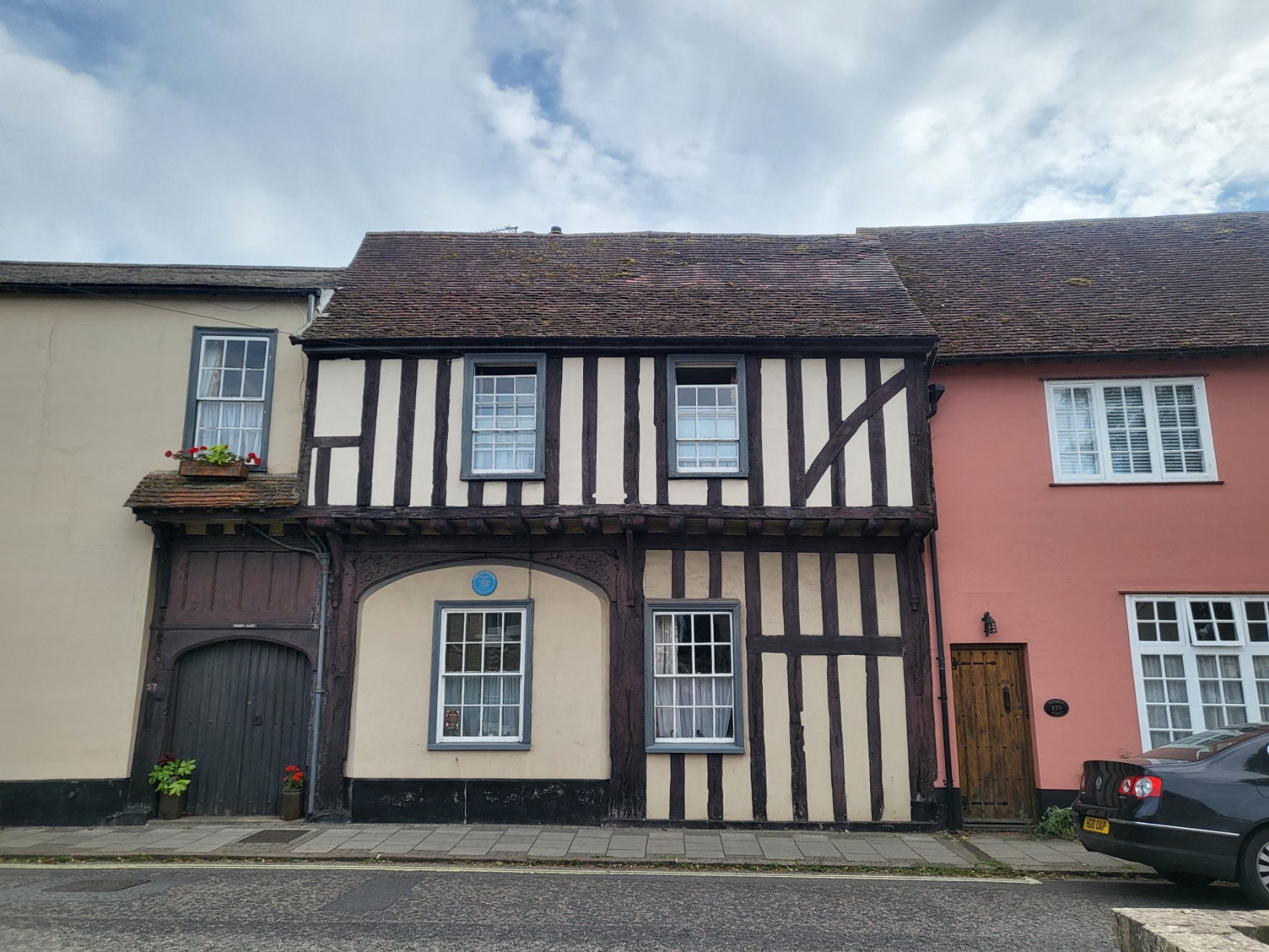
It’s easy to see that Sudbury is a very old town. Historic buildings line the streets and there are more than a few timbered buildings from the medieval period here. We are starting our little walk at the beautiful former gatehouse of Sudbury Priory. This half-timbered building bears a blue plaque which reminds us of its heritage and although filled in, the large arch lets us imagine the people that must have passed through it in years gone by.
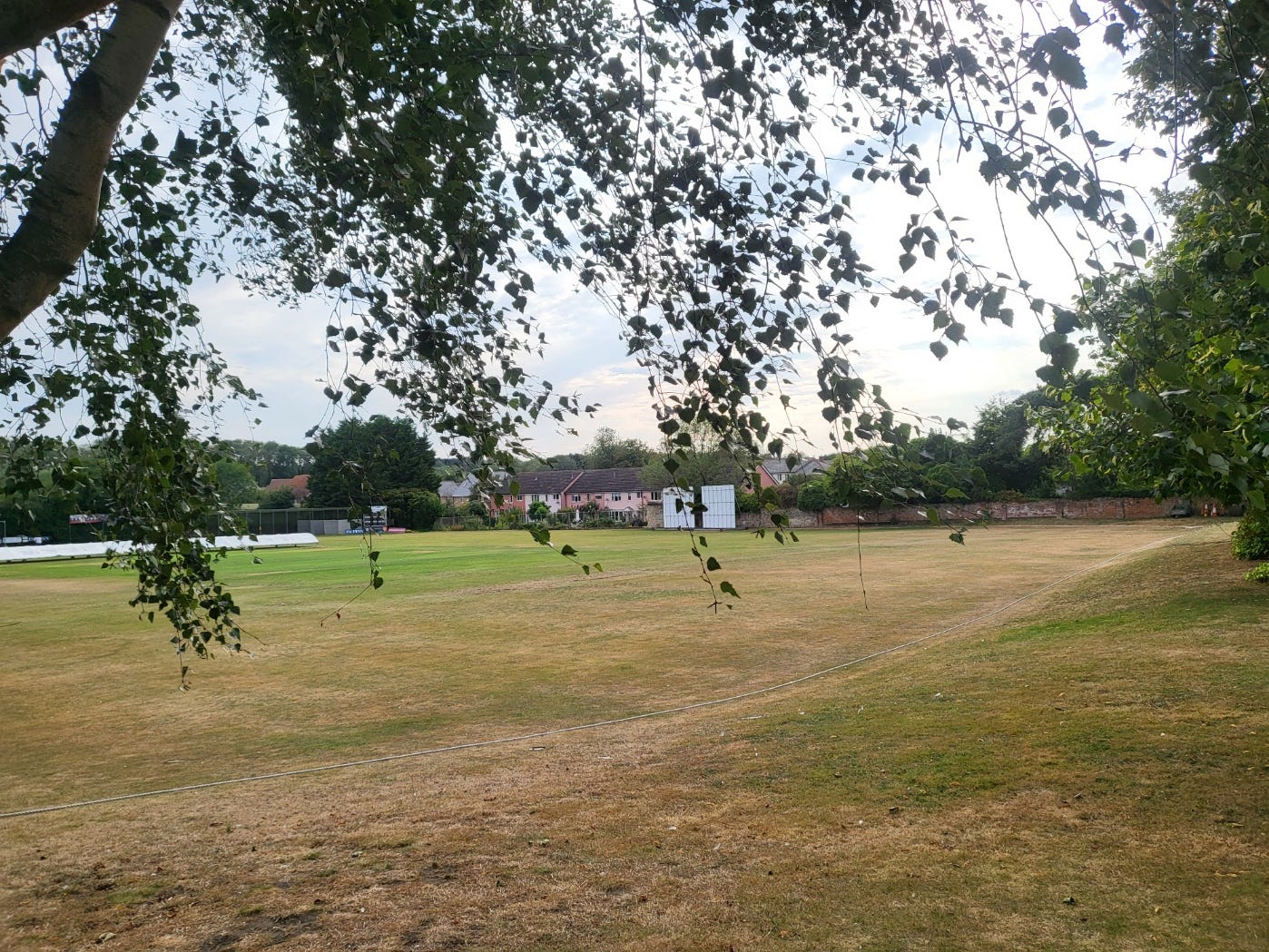
The priory was home to an order of Dominican Friars. The Dominican order were recognized by their black woolen habits and you can find streets nearby named Blackfriars and Priory Walk, recognizing their historical link. The priory here was founded in 1272 and grew in size over the following centuries as land was donated to the foundation. The priory was lost with the Dissolution of the Monasteries in 1538. The following year the priory church, which was dedicated to St Savior, and the priors house were demolished by Thomas Eden who had been granted the land. They used the materials to build themselves a large house on the site, though this was also demolished in around 1850. Today, only the gatehouse survives and a couple of cottages opposite which were part of the priory estate. All are listed by English Heritage. Standing at the railing of the playing field nearby, it’s easy to picture the priory buildings rising out of the trimmed green grass and the black friars bustling about their day.
Two : All Saint’s Church.
It’s 13th January 1617 and a wedding is taking place at this church. Martha is marrying Richard Haffield, a carrier from the town. Martha is 24 years old and her new husband is 36. They would perhaps be old parents by the standards of the day, eventually having five daughters. Martha was 25 when she became pregnant with her first daughter and 39 with her last. It is her middle daughter, Rachel whose story starts here and ends 65 years later as a destitute survivor of the Salem Witch Trials. On 13th September 1629 Rachel Haffield was baptised at this place, where her parents had been married. As a six year old she would leave England with her family for America during the Great Migration.
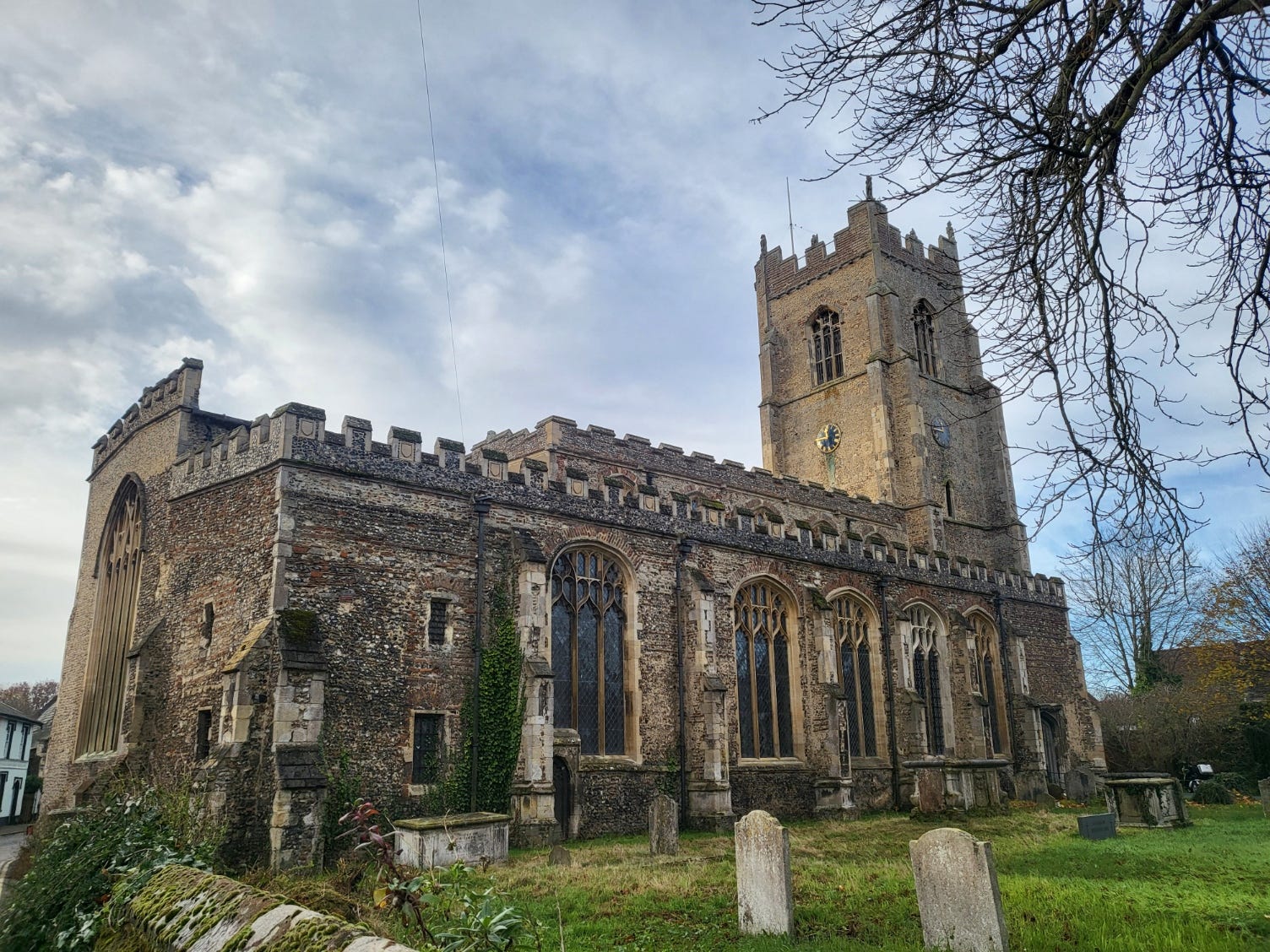
Between 1620 and 1640 roughly 80,000 Puritans left England, with around a quarter of those heading for the New England colonies. Although there would be some families travelling from most of the English counties, almost half came from East Anglian settlements like Sudbury. They hoped to have more freedom to practice their beliefs. They were against the rituals within the Church of England that still resembled The Roman Catholic Church. Although the singing of Psalms was deemed appropriate, they believed choral music too closely associated with the Catholic church and did away with it. Musical instruments, such as the organ, were also not allowed.
In April 1635 we see Rachel on the passenger list of the ship Planter with her family. It set sail in the first or second week of April and arrived in Boston on the 7th June the same year. They had been relatively affluent when they emigrated, but four years after their arrival in Ipswich, New England, Rachel’s father died and her mother was forced to rent out parts of their home to lodgers. Rachel’s mother has suffered with deteriorating mental health and by 1666 she was declared insane. Rachel was recently married at this time to a man named Lawrence Clinton. Their marriage was not happy and there was scandal on both parts due to extra-marital affairs. Lawrence treated Rachel very poorly and was largely responsible for the loss of her financial security. Rachel had petitioned for divorce, but her husband had not waited for this to go through before re-marrying someone else and starting a family. Rachel was forced to beg for money to support herself and it was around this time that the first accusations around witchcraft began to surface.
Between the Spring of 1692 and Summer of 1693 more than 200 people were accused of witchcraft in the Massachusetts colonies. Several residents of Ipswich were called to give depositions against Rachel in the April of ‘92. She was arrested in the May.The accusations against her ranged from murder by supernatural means to shape-shifting. Ultimately Rachel was released in the January of 1693, although 19 people would go on to be executed for witchcraft during the course of the trials. A handful would also die while awaiting trial in gaol. Rachel would only live another couple of years, dying destitute sometime around the turn of the year into 1695. One wonders what her life would have been like had her family stayed in Sudbury. Would she still have relatives visiting this church where we stand now?
Three: The Cat and the Mill
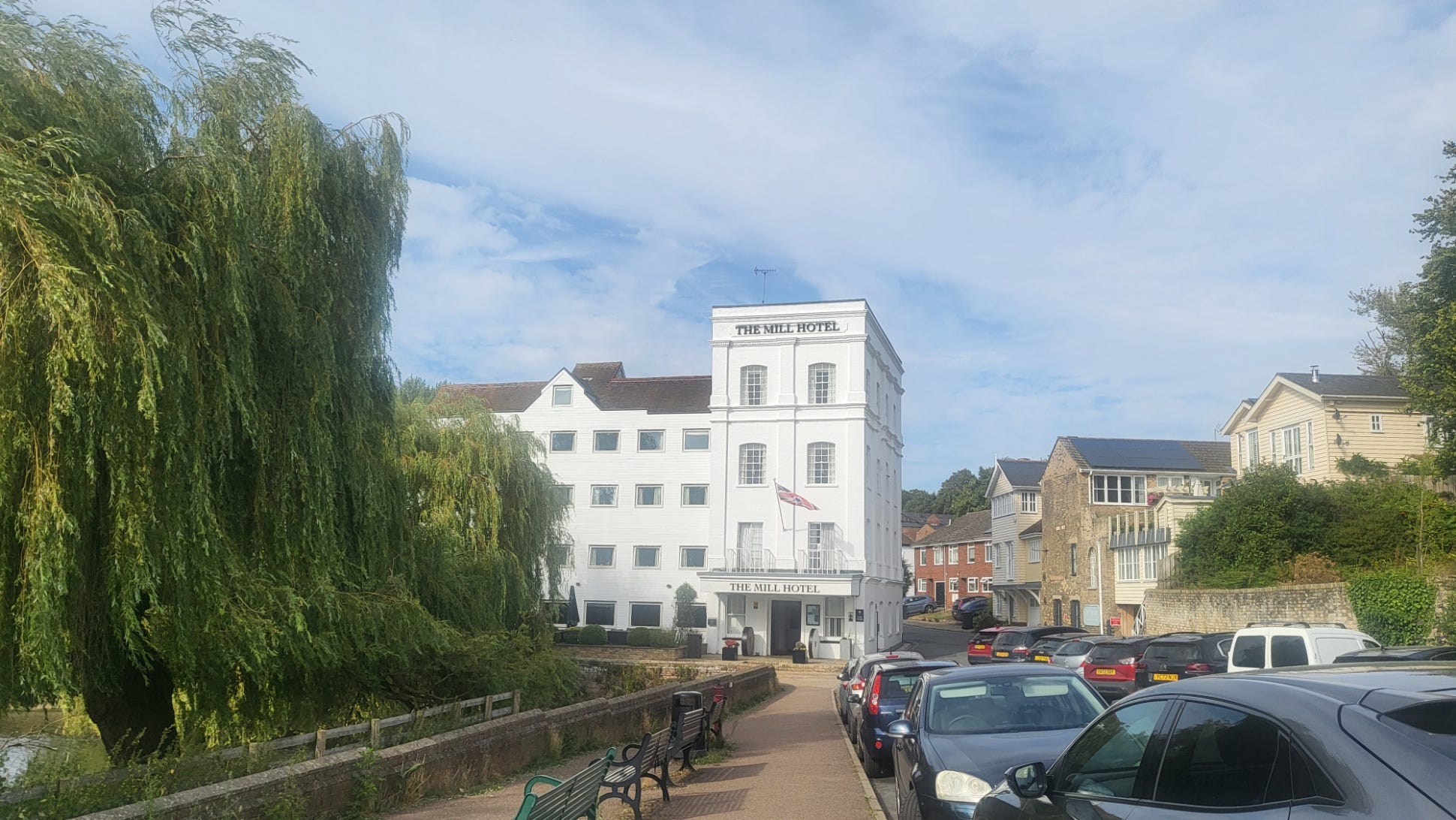
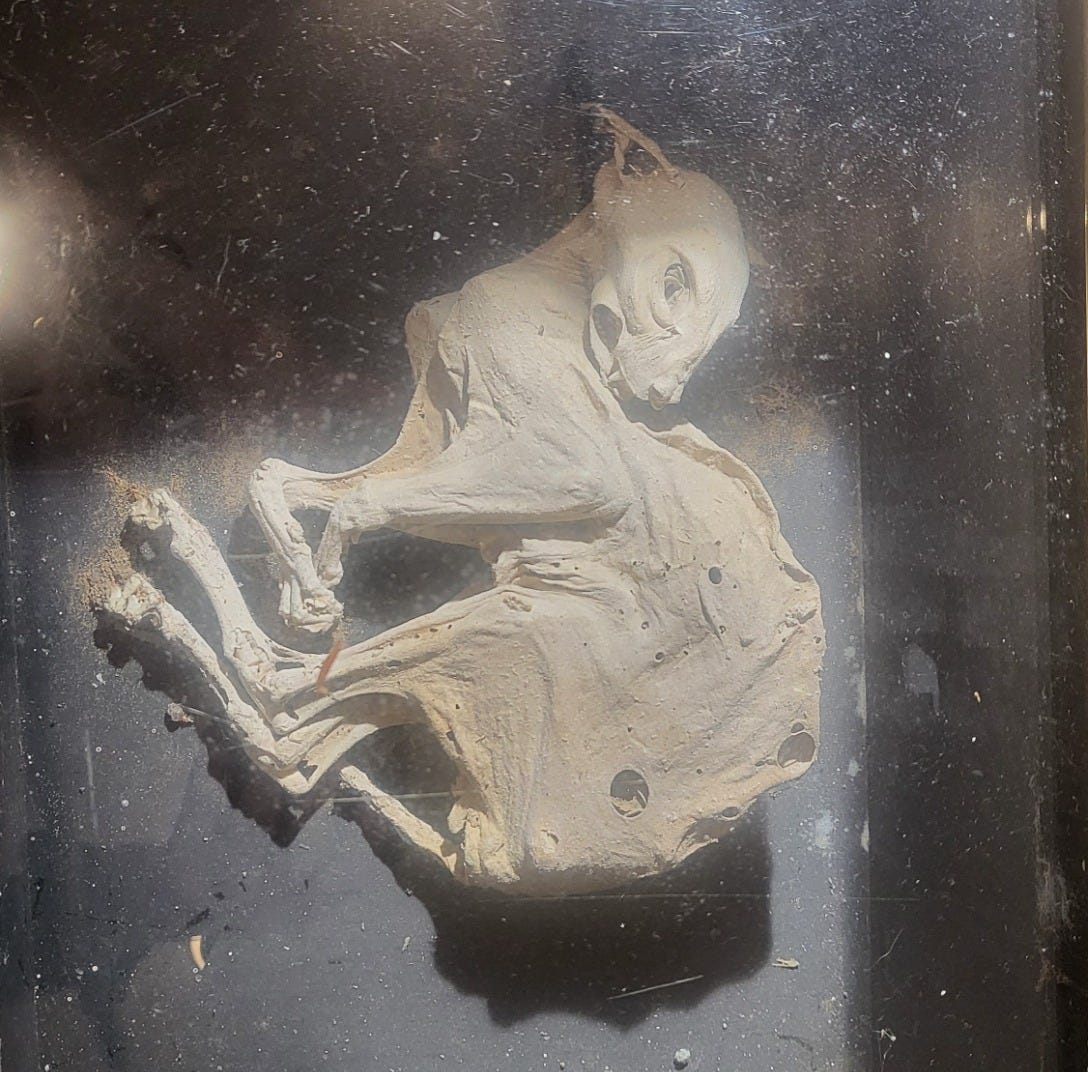
Sitting on the waters edge, over looking the water meadows, you could be forgiven for thinking this place presents the perfect English scene. As the name suggests, the hotel that sits here was once a mill. A water-powered corn mill, in fact. It is a site of endurance and there had been a mill recoded on this site since Domesday. The earliest part of the present building dates to around 1800. The mill was owned by the Clover family until it closed in the 1960s. In the early 1970s the plan to convert the mill into a hotel was completed. It was during the conversion that a mummified cat was found within the structure. A plaque in the foyer of the hotel reads ‘An age old East Anglian custom was that of burying a live cat in a building under construction. The cat would protect it from all harm by witches, warlocks, and fire. The mummified cat buried below was found in the timber-framed part of this building during its conversion in 1971. It was obviously a victim of this superstition when the building was originally constructed nearly 300 years ago. It was re-interred on November 15th 1975 after four years eventful absence from the building.’ Below this plaque is a glass plate in the floor, under which you can see the mummified remains.
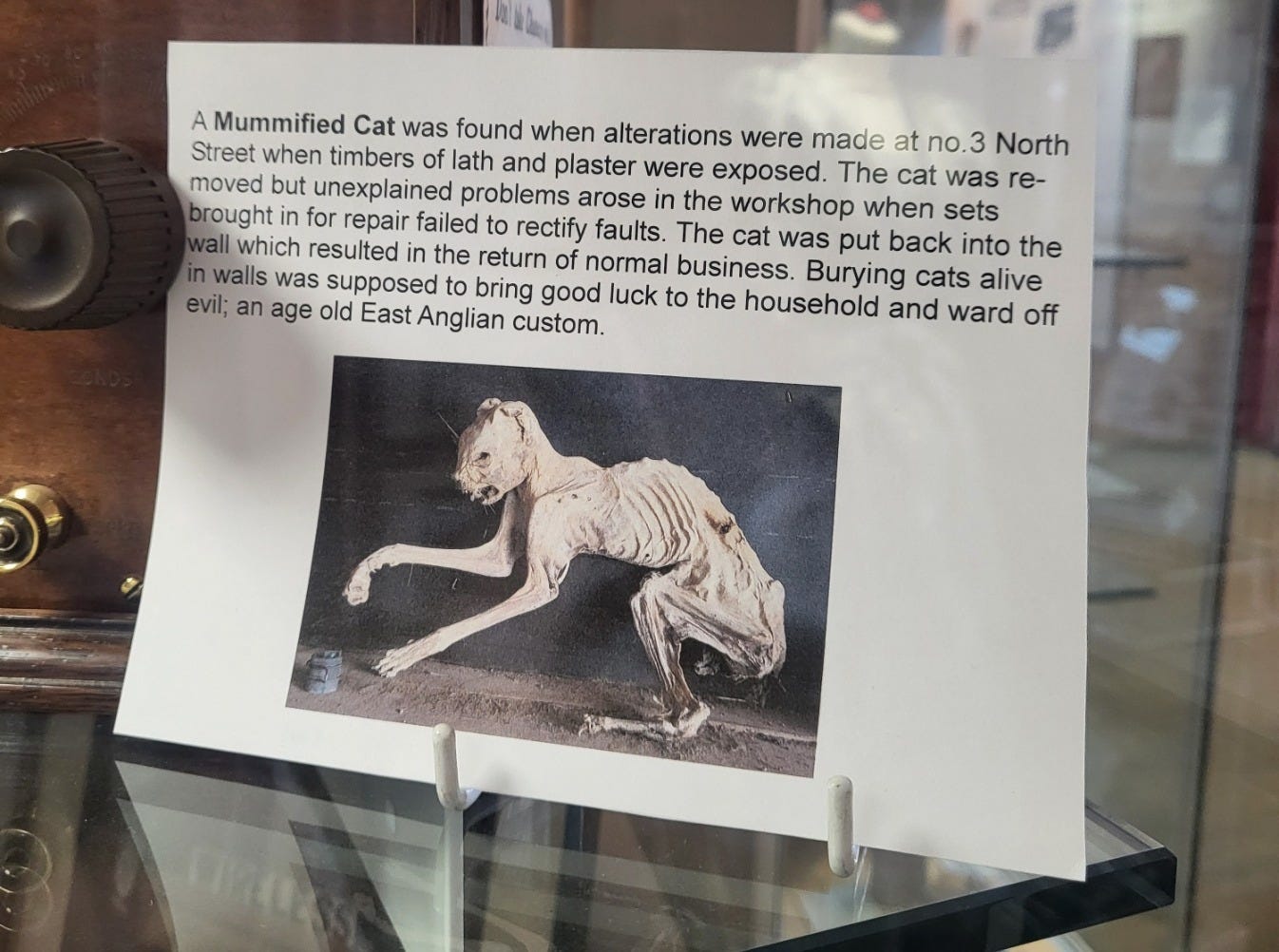
Curiously this is not the only mummified cat to be found in town. When alterations were being made to a building along North Street another was discovered between the timbers. Again it was removed but replaced after supernatural disturbances started to take place. As with the cat here, once returned to the premises, the unexplained phenomena ceased. That cat isn’t on display, but you can see a photo of it in the heritage centre on Gaol Lane.
Four : St Gregory’s and the Workhouse
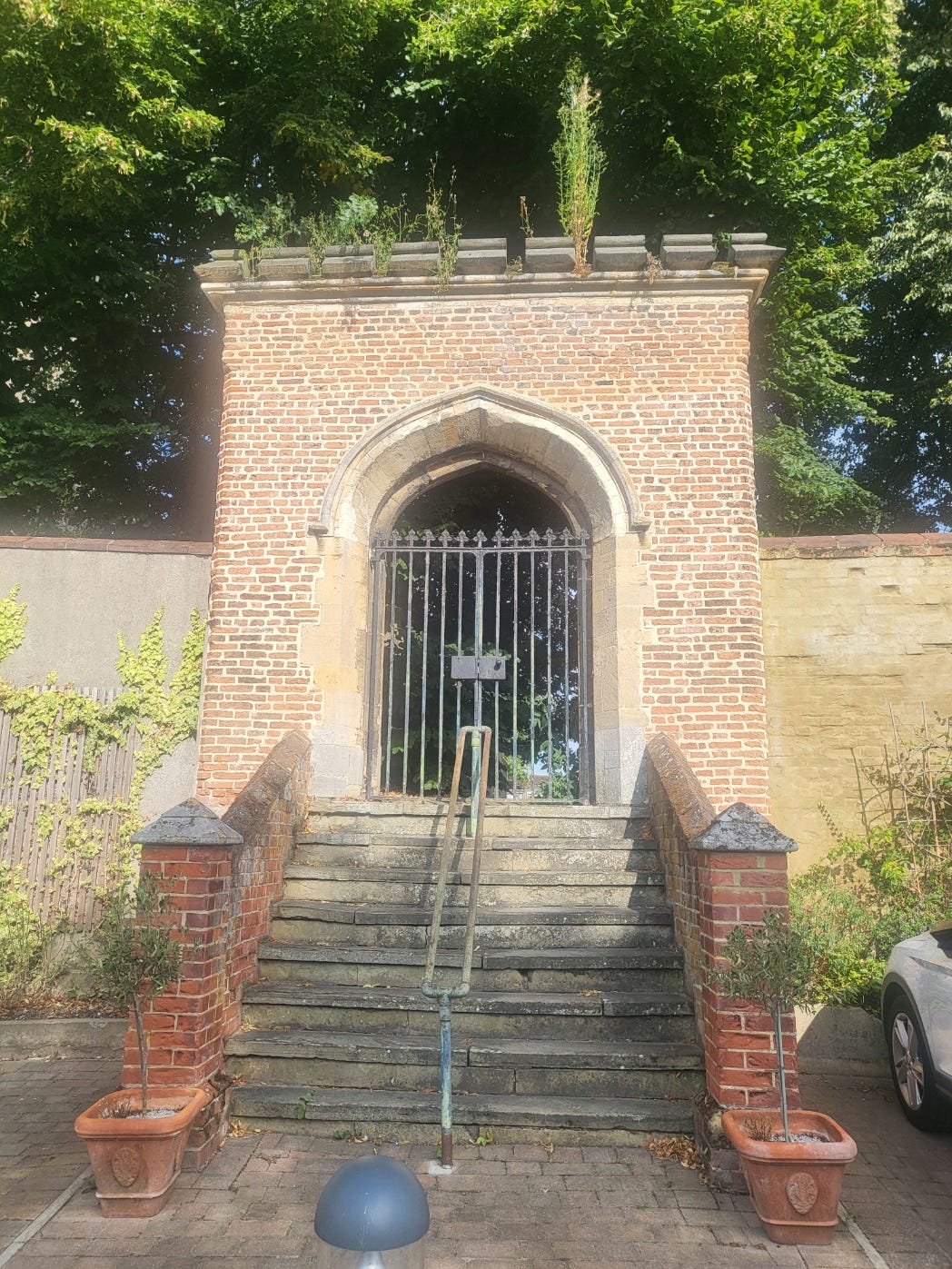
On the boundary between the residential flats and the Church of St Gregory’s you will find a gated archway. This is the last remnant of St Gregory’s College and it is today Grade II listed. The college provided a residence for six secular canons and it was founded in 1374 by Simon Sudbury and his brother John. The site on which the college was built was thought to have been the site of the home of Nigel Theobald, their father. Unfortunately by 1526 the college was in a state of disrepair and it ultimately closed during the dissolution of the monasteries, the land being surrendered to the crown. The site would be owned by several people after this, until it was eventually bought by the Borough of Sudbury, who put the building to use as a workhouse in the early 1700s.
A new Sudbury Poor Law Union was formed in September 1835. Initially they employed three workhouses. The one at Sudbury was for able bodied males over 13 years of age. There was also one at Bures for the aged and infirm of both genders, and another at Melford for able-bodies girls up to 16 years of age and boys between 7 and 13. A year later they made plans to create a single new workhouse and the old workhouse site at St Gregory’s was purchased.
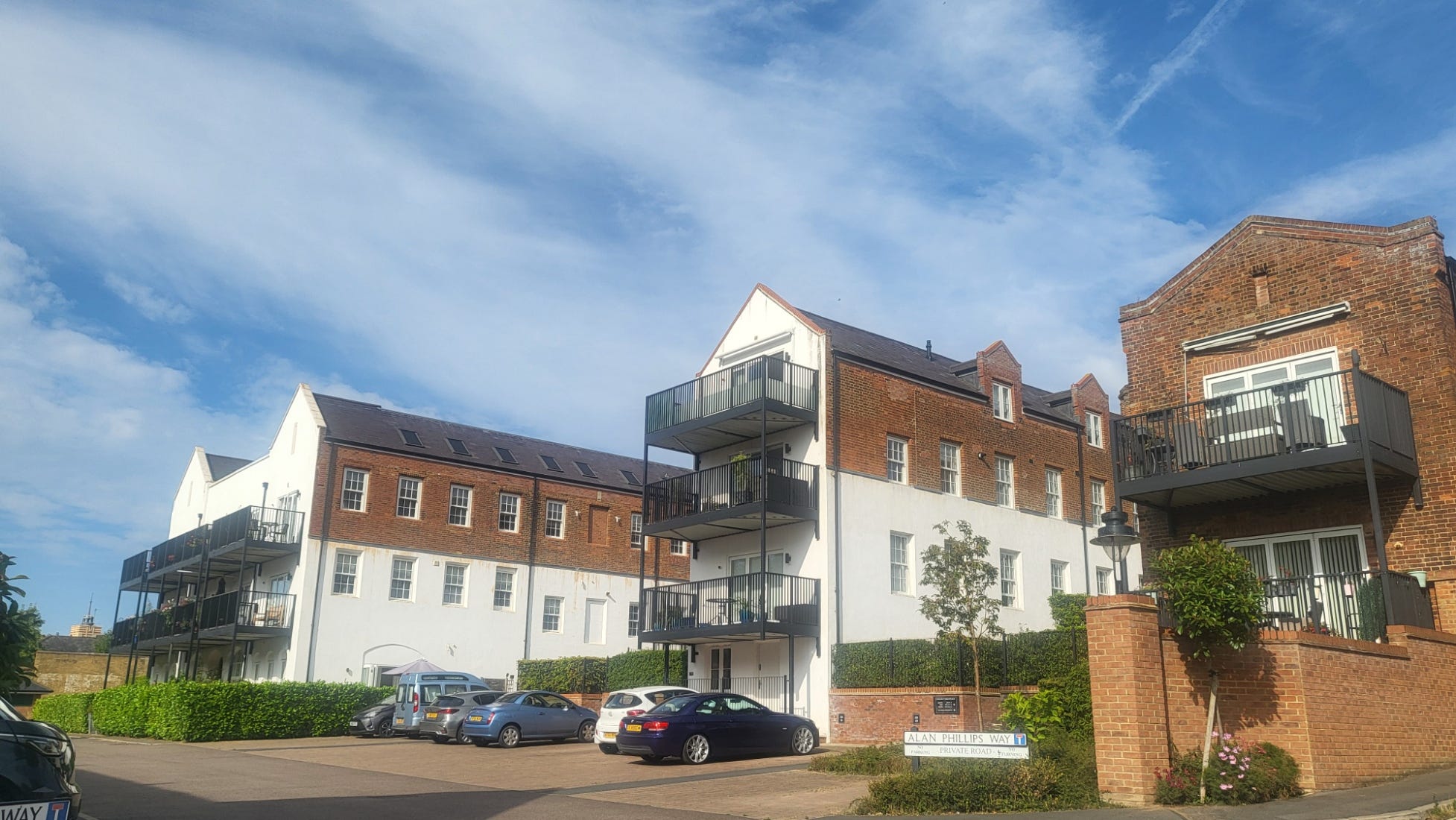
This new workhouse received its first inmates in June of 1837, but by December an outbreak of smallpox temporarily halted admissions. In 1861 the Poor Law Board published a return naming every adult who had been a workhouse inmate for more than five years. It included their total length of stay and the reason for admission. There were two inmates on the list who had been there since its first year of operation, a total of 23 years of their life lived within the walls of the institution. One was Mary Bryant who was listed as ‘infirm’ and another was Sarah Debenham who was listed as an ‘idiot’ but also there due to her age. Obviously not language that would be used today, but other reasons for the people becoming longstanding residents were ‘paralysis’, ‘defective sight’, and ‘fits’. These institutions would really be used to house anyone unable to provide for themselves in the wider community. Further buildings were added to the site later including a hospital block and receiving block. The site was taken over by the County Council in 1929 and it slowly became a local hospital. In 2014 it was closed and converted into the flats we see today.
Five : Simon of Sudbury and St Gregory’s Church
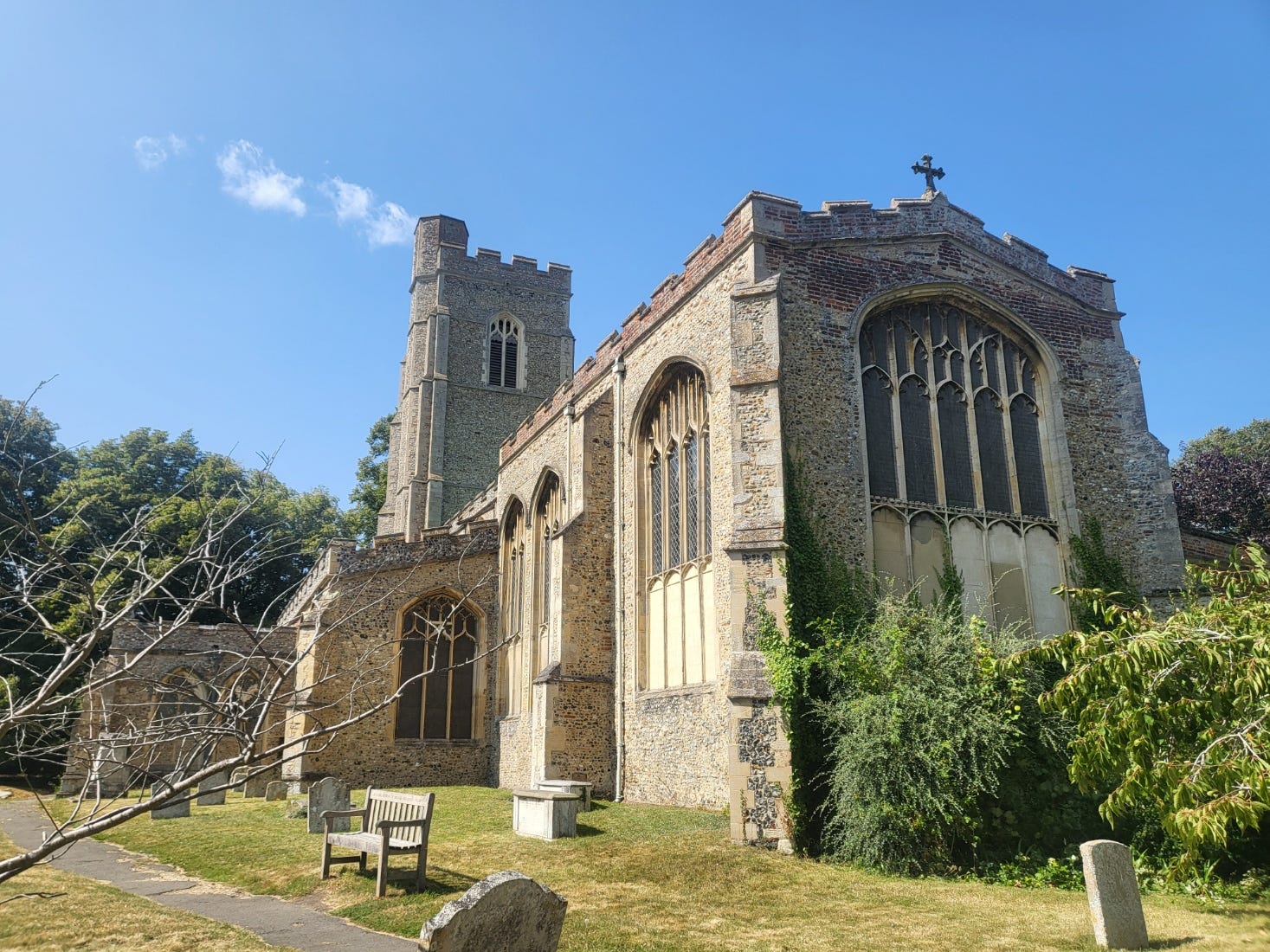
The church of St Gregory was first mentioned in the 10th century, though most of what we see today dates from the 14th and 15th. Sadly many of the medieval stained glass windows and parts of the rood screen were lost during William Dowsing’s destructive tour of East Anglia during the Civil War in 1643. The building had become so fragile by 1860 that it had to close for restoration work to be carried out. It was offered Grade I listing status in 1952.
Sadly in recent times there has been vandalism on site, which means that the church is often only open for services. If you get the opportunity to enter though, please do for the most interesting thing to see is inside! Preserved in a niche in the vestry is the mummified head of Simon Sudbury.
Sudbury had been Bishop of London from 1361 to 1375. In 1375 he became Archbishop of Canterbury. In 1380 a highly unpopular poll tax was imposed and this, as well as the general discontent among the working classes, led to the Peasants’ Revolt the following year. The uprising was centred around East Anglia and the south eastern counties. On 13th June 1381 men from the Kent area under the direction of Wat Tyler entered London. There they razed the palace of John of Gaunt and massacred some Flemish merchants. The King had already gone up to Essex to negotiate with the rebels there and it was during his absence that the Kent men took the opportunity to force the city to surrender the Tower of London.
Archbishop Simon of Sudbury was there in his capacity as Chancellor and so was the treasurer Sir Robert Hales. They had both been deemed responsible for the unpopular poll tax and became targets of the rebel party. Sudbury was saying mass in St John’s Chapel when they entered the Tower and he was dragged to Tower Hill where he was beheaded along with Hales. His head, with his clerics hood attached with nails, was placed on a pole at London Bridge. His body was taken to Canterbury Cathedral, where his tomb contains a cannonball in place of his head. His stone sarcophagus there once had a gilt copper effigy, but this was another victim of the Reformation in the 1640s.His head remained on Tower Bridge for six days before being removed and brought to Sudbury. His head is today preserved and can be seen behind a protective glass front in the church. There is a bust of Simon Sudbury in the heritage centre on Goal Lane if you want to see what he looked like. On to more genteel pursuits now, as we head for the Victorian bathing pools…
Six : The Bathing Pools
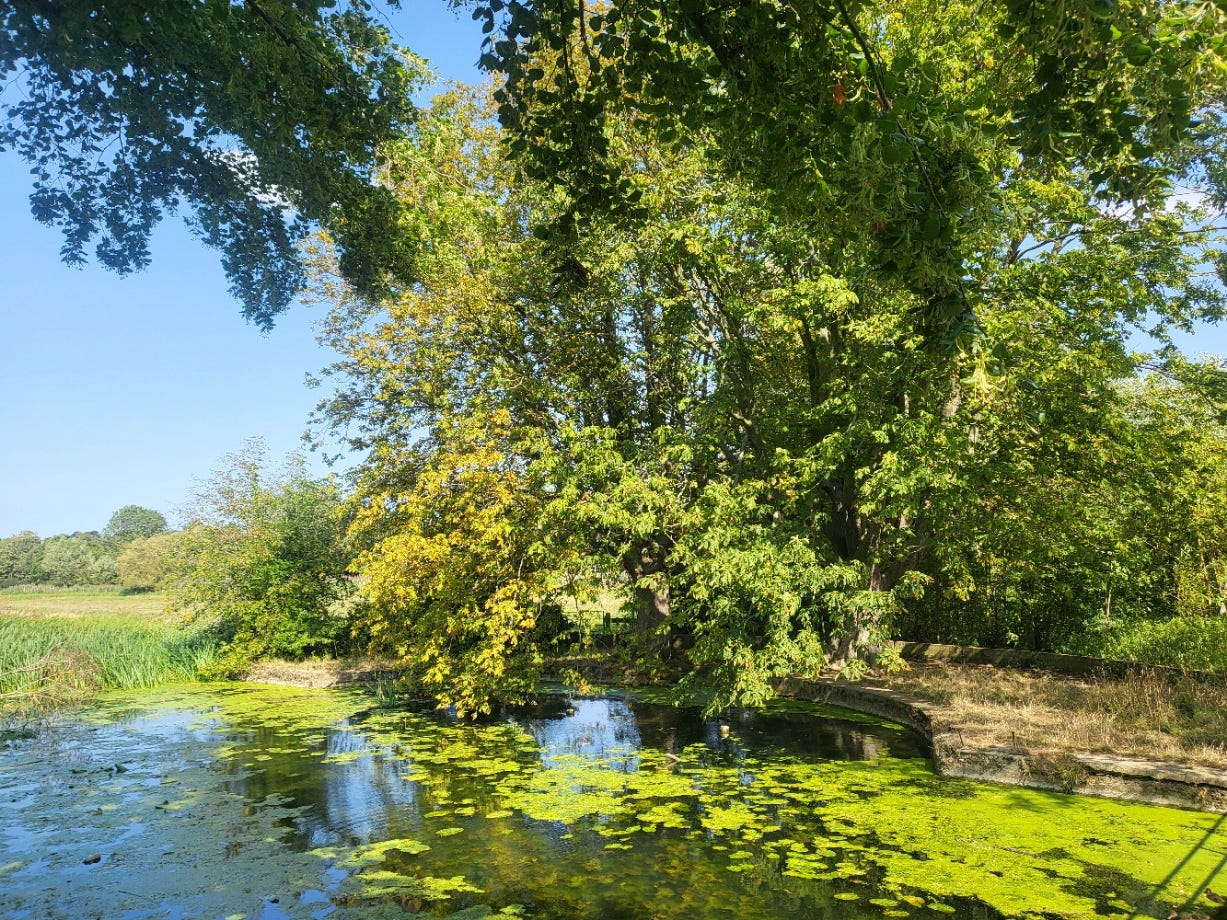
The bathing pool today has more of a look of an ornamental pond, with its water lilies and established trees shading the water. The semi-circular bank built into the River Stour overlooking the water meadows once had a small structure behind it where bathers could change and leave their belongings. It opened in 1898 and was used until the 1930s. A diphtheria outbreak in the town lead to its closure and it was slowly left to be reclaimed by nature.
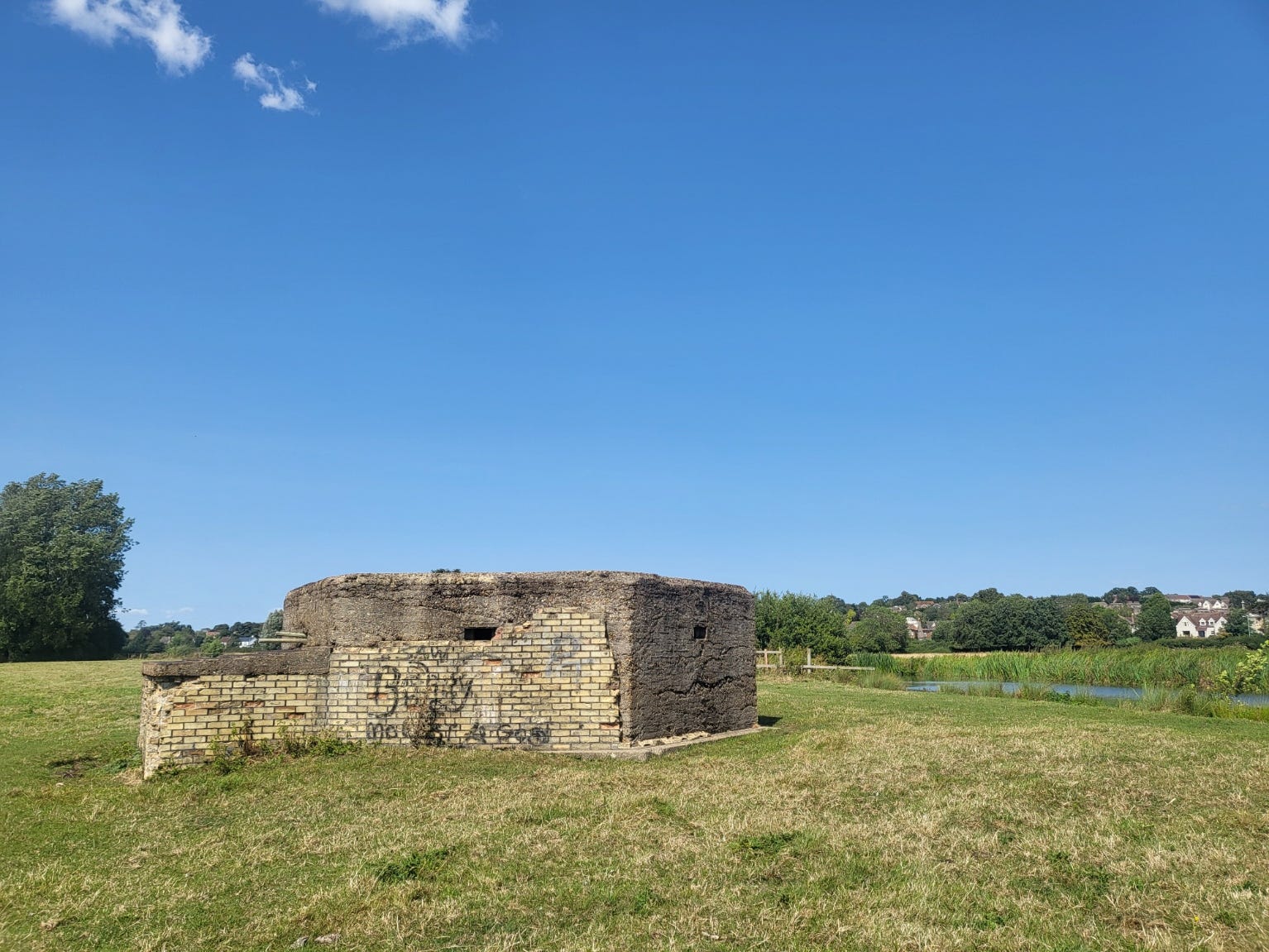
Our tour heads back into the town for our last stop, but if you want to extend your visit, you can walk out on to the water-meadows from here. There are several World War Two pillboxes at intervals along the river bank, and you can also see anti-tank cylinders being used to reinforce the banks under a couple of the bridges, so if you like wartime defences it’s an interesting additional walk.
Seven : The Fire
On a 19th century brick wall, found in Church Walk, a plaque is mounted into the brickwork. There is no context other than:
THIS WALL WAS BUILT AFTER THE FIRE 1890
On Wednesday 2nd July, 1890 just before noon, a fire erupted from an over- heating engine room. The site was Grimwood’s timber yard, and the workshops and sheds were engulfed in an instant. It is said some 40 men had to flee their positions to save their own lives. The site covered more than half an acre and it was completely destroyed. Several nearby homes were also damaged, but thankfully no lives were lost.
Newspapers at the time reported that it was the most destructive fire in Sudbury within living memory. So perhaps this is why no further explanation was needed on the plaque; they thought no one would ever forget this event.
The papers made claims of damages from anywhere between £6000 to £15000 in the days following the fire. After the fire a committee was set up to try and help raise funds to replace the tools of around 35 workmen, whose own were lost in the fire. In the immediate aftermath a new worksite nearby was set up to allow trade to continue. The site of the fire was left vacant a while before being redeveloped. In around May of 1893 the appropriately named Phoenix Brewery opened on the site. Today the housing complex Phoenix Court stands on the site.
There are so many other interesting places we could have stopped and as I mentioned at the start, I recommend a visit to the heritage centre in Gaol Lane if you are interested in the town’s history. The are also a large number of Commonwealth War Graves in the town cemetery, which I am still in the process of researching.
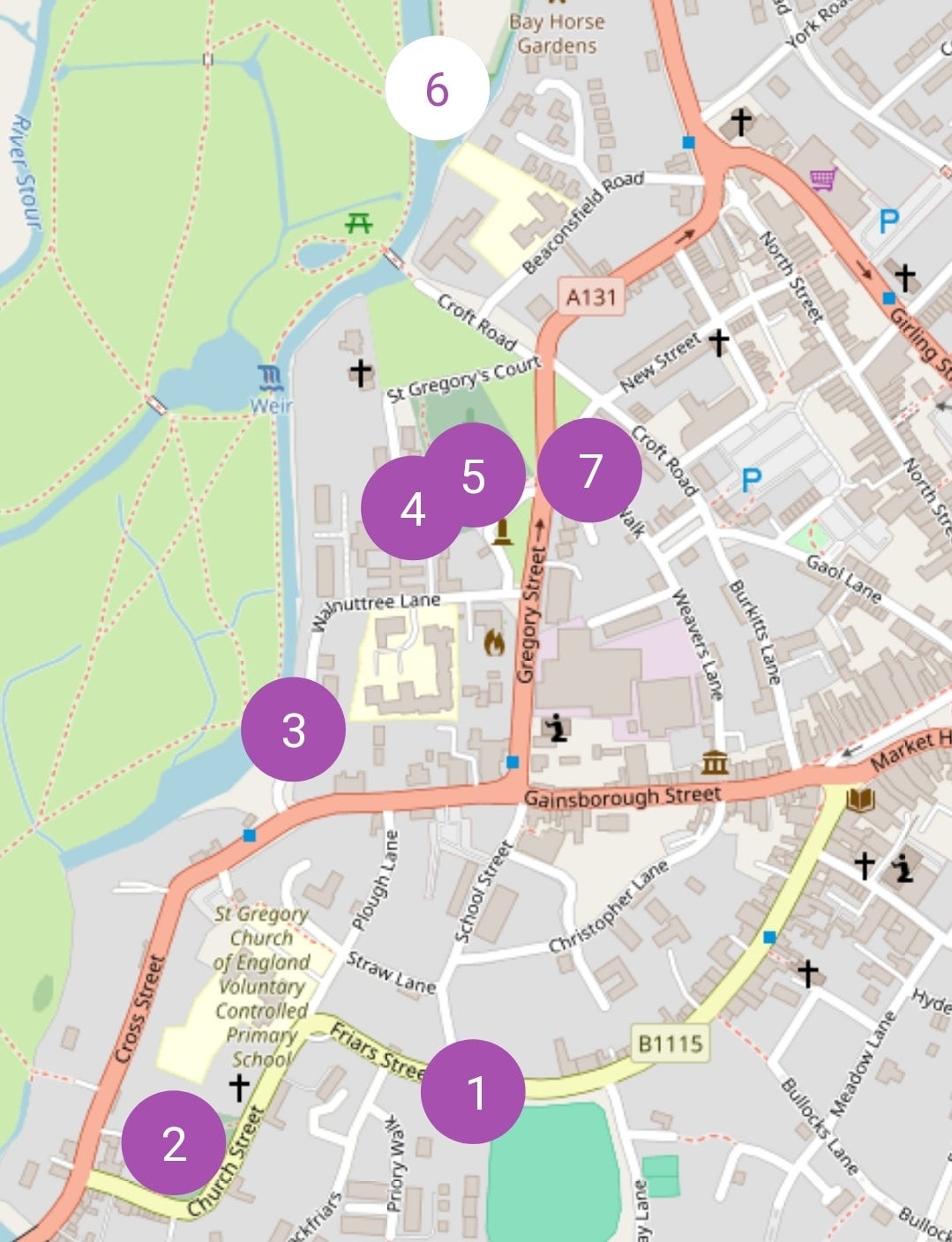
Below is an overview of the points we have stopped at above.