
Lytchett Matravers // Dorset
Little Bear visits the haunted Whispering Corner


It is a beautifully warm late Spring day and Little Bear is excitedly telling me about the plague. He has never really been one for setting the scene. As we sit on a bench overlooking the Dorset countryside, listening to skylarks over the fields and dunnocks in the hedgerows, the horrors of the black death were very definitely the last thing on my mind. Our grim little bear doesn’t seem to notice. He is on the trail of a local legend, which has brought us to the village of Lytchett Matravers. Putting on his most mysterious voice, he tells me that we may be about to encounter ghosts and that if I listen very closely I might even hear the voices of those who perished some 600 or more years ago.
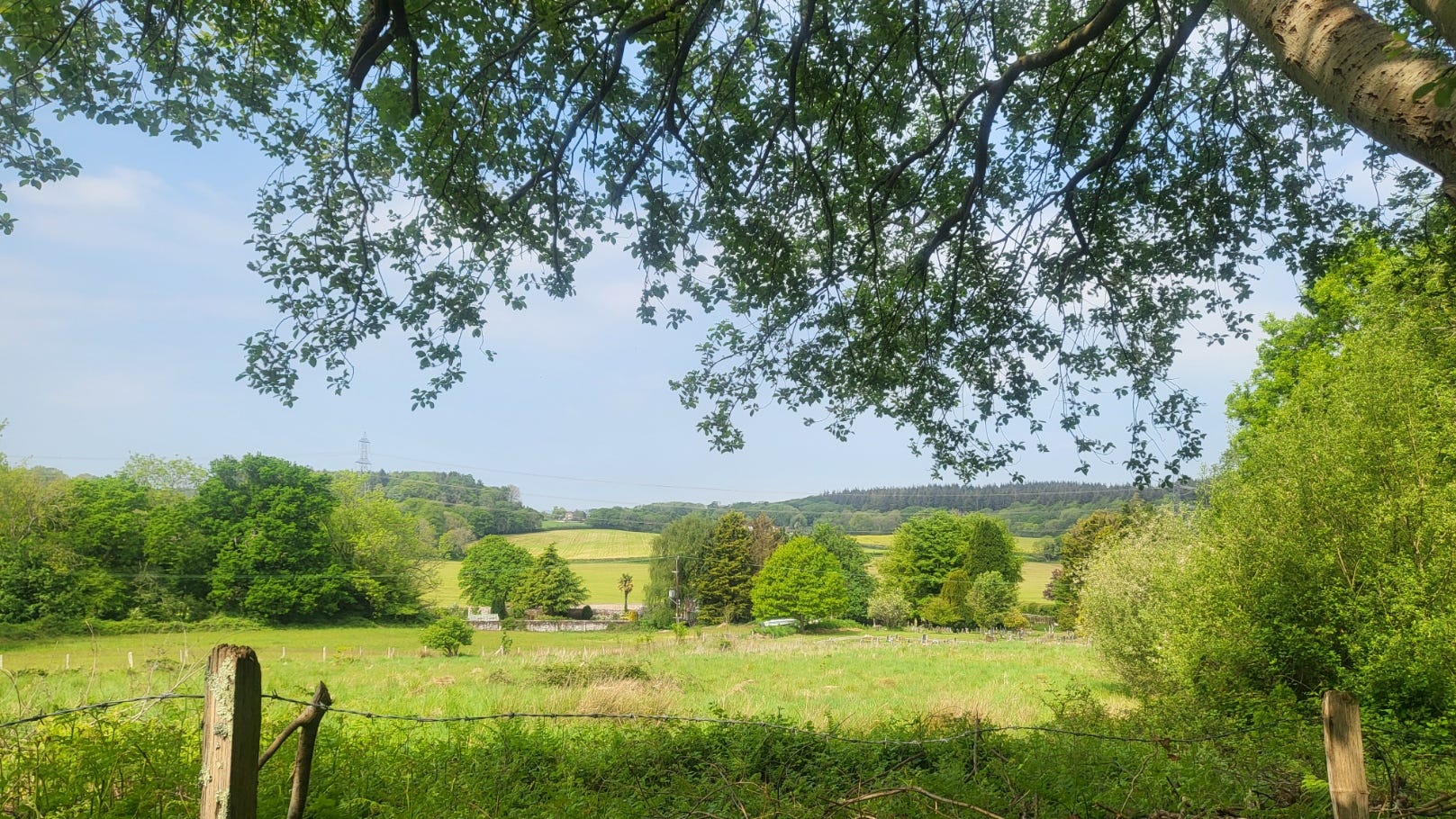
Today, the village of Lytchett Matravers sits somewhat adrift from its church. In its earliest days it was clustered around the church and manor house, but when the black death swept the Dorsetshire countryside in the mid-thirteen hundreds the village was decimated. It was largely de-populated by 1400 and a new village popped up further away from the relics of the old settlement. This is where the legend begins.
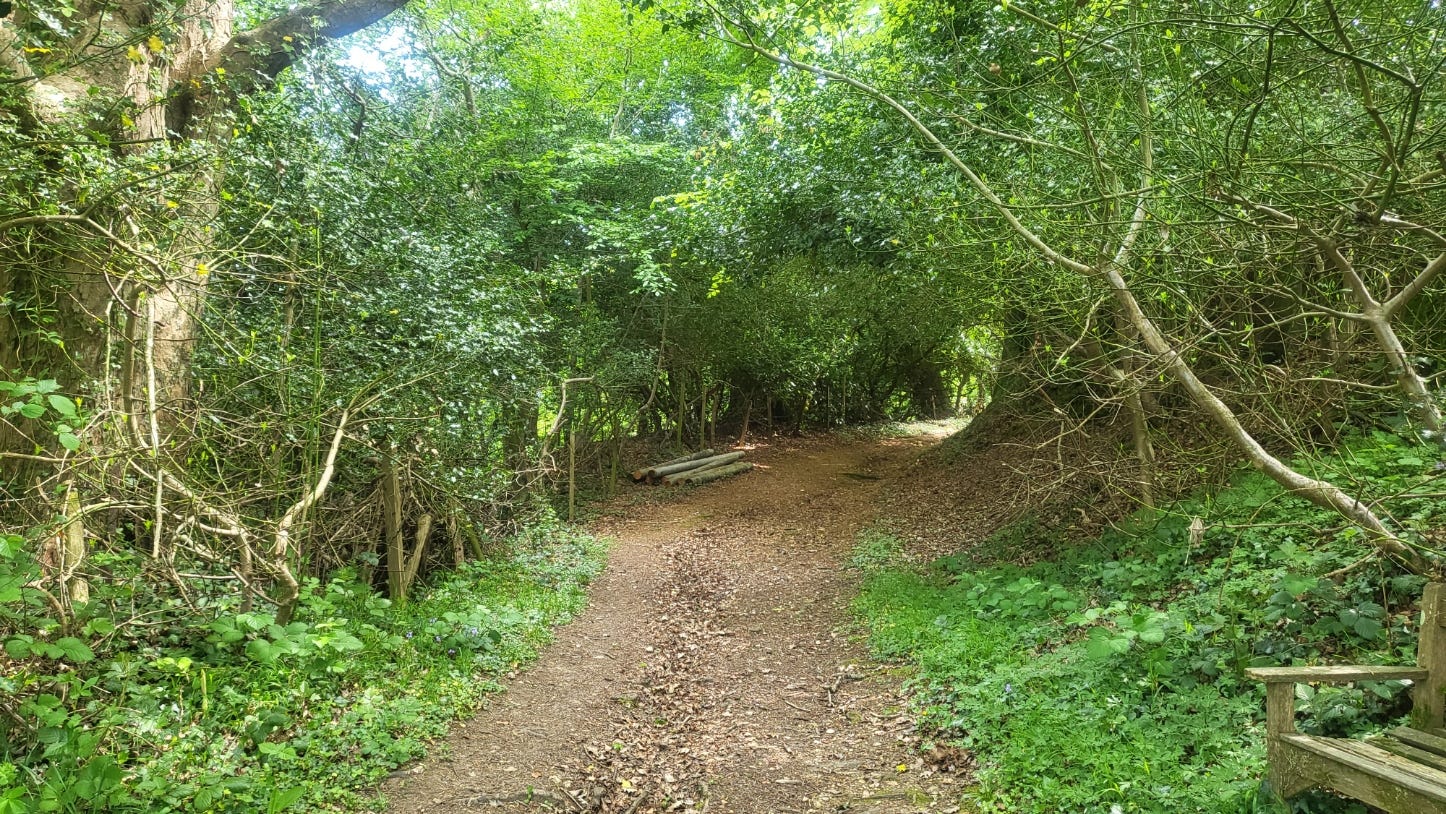
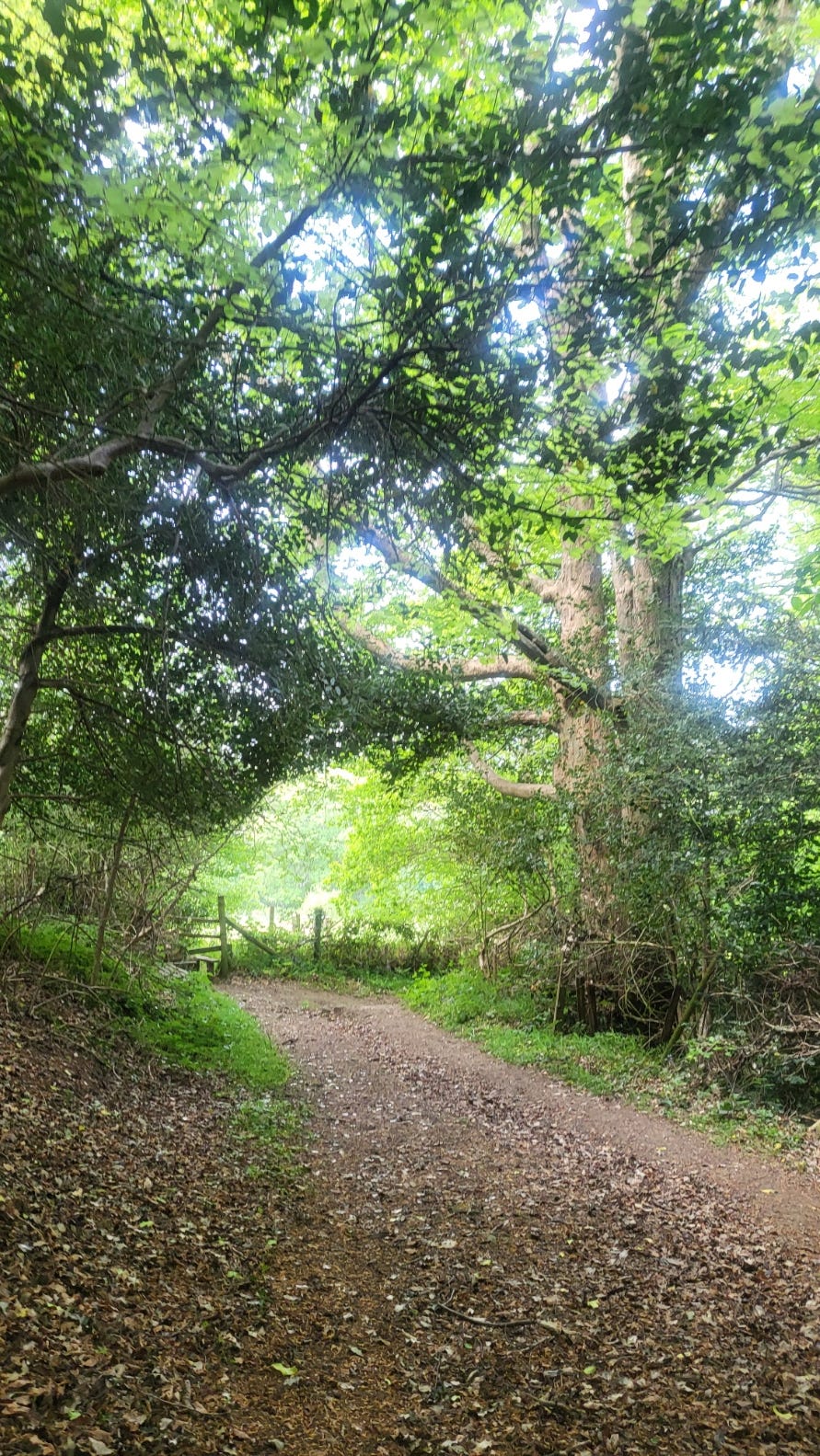
If you walk from the village to the church today you can step off the main road and take a footpath called Church Path. It leaves the main road just beyond the rectory and skirts Garden Wood toward the church, where about half way along, there is a kink in the path known as Whispering Corner. It is said that if you linger here a while you will hear the whispering voices of those that have passed this way before. The haunting is so prolific that you might hear these muffled words day or night, but never loud enough to understand what is being said. No one quite knows of their origin, but the legend of the speakers being connected to the plague times is a common theme.
Some say that this was something of a corpse path, where the dead were carried from the village to a distant plague pit. Others say that a group of villagers tried to flee the village toward the coast, but were already too weak to make it beyond this point where they perished and were buried.
If you continue walking this eerie path you end up at the parish church of St Mary the Virgin. The earliest parts of this building date to around 1200, but it’s possible that it was built on a site that was already sacred. Standing here, it is worth a moment of imagination to visualize the scene that this building must have been witness too during the demise of the early medieval village… another witness to these events, and many earlier ones, is an ancient Yew tree which has grown here since around AD 590.
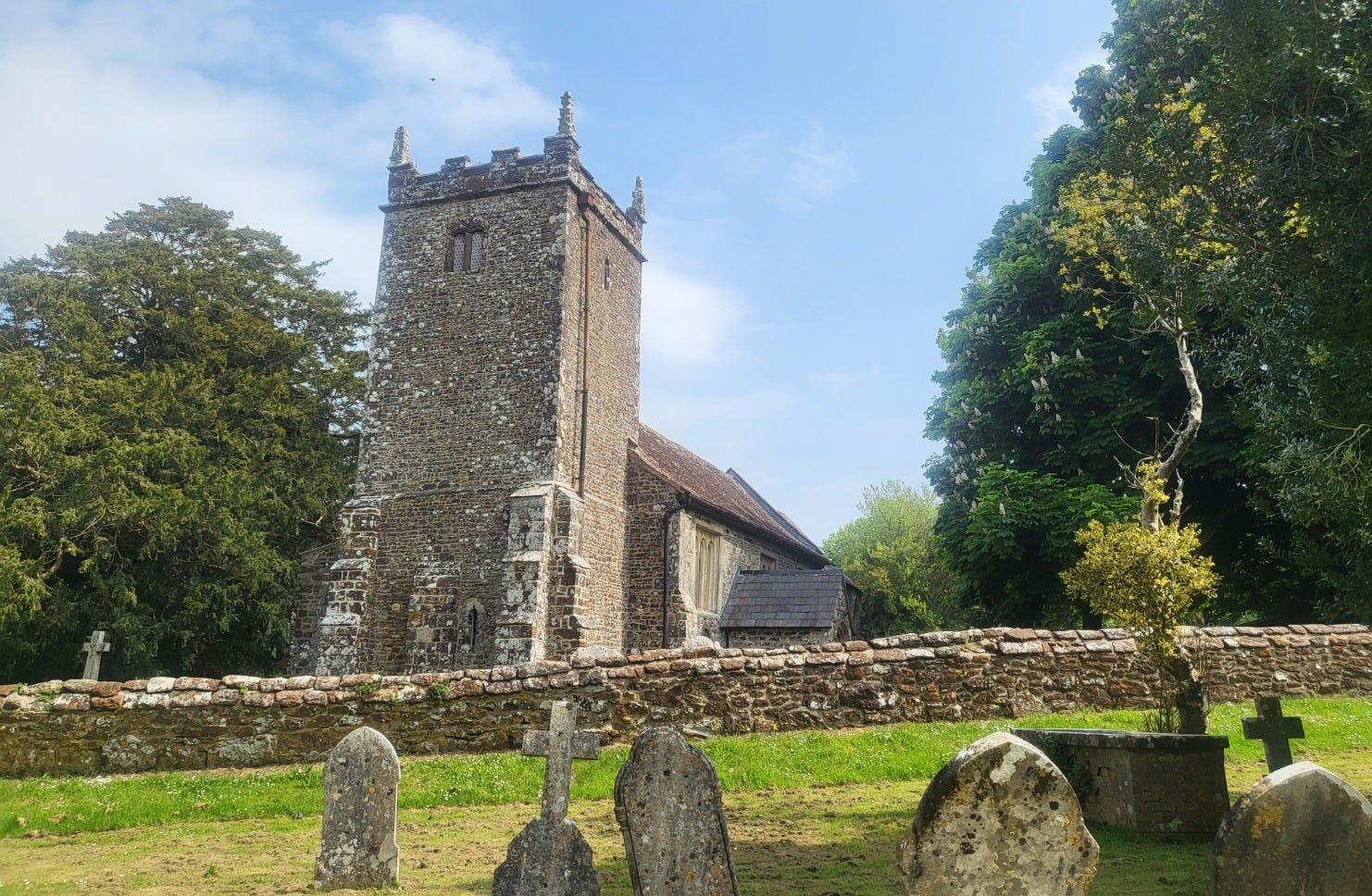
One of the most notable early burials here is that of John, 1st Baron Maltravers. Born in around 1290 he was knighted and had a turbulent career during which he was made a custodian of Edward II. He was implicated in the king’s death in 1327 and in later years would be exiled following the fall from grace of those who sided with Isabella and Mortimer. He would eventually return to England and when he died in 1364 he was laid to rest at St Mary’s. It is said that he was interred in full armour. The years after this saw the slow decline of the church. As the village failed it was left to deteriorate for several centuries until the village began to grow again a mile or so away, when it was restored and used once again.
In more recent times the churchyard has become the final resting place for a number of our military, with burials from the First and Second World wars as well as men lost during more recent conflicts.
The Commonwealth War Graves here belong to the following:
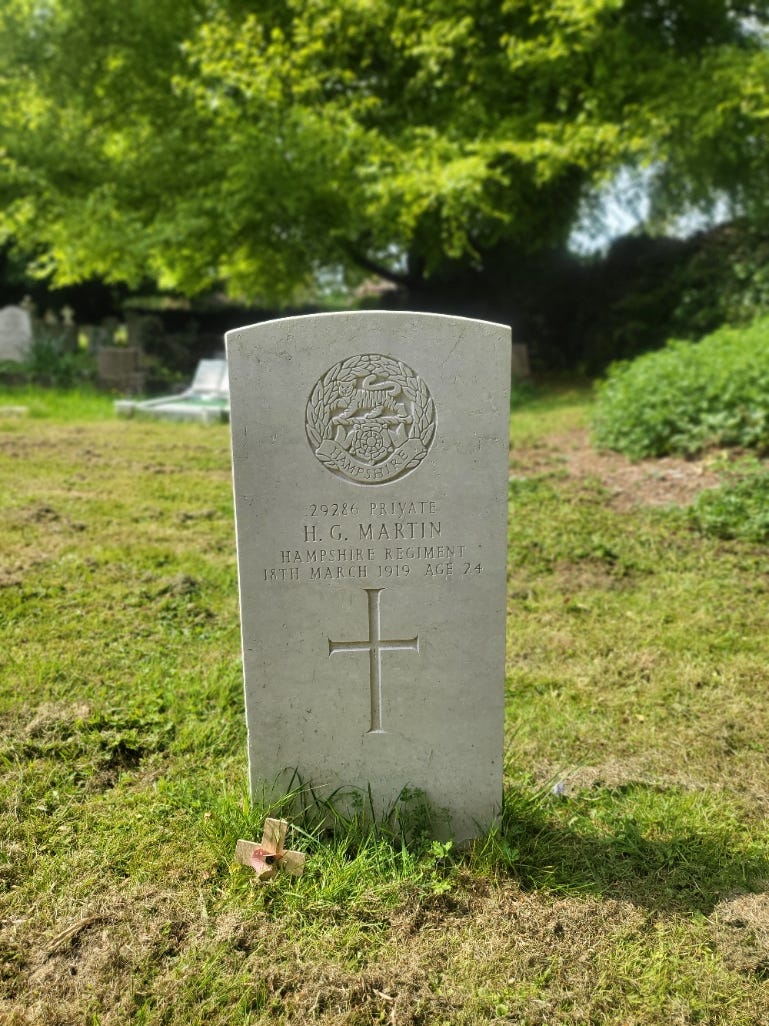
Private Hubert George Martin of the 2nd Battalion Hampshire Regiment. He was born in late 1894 and before the war was employed as a groom. He sadly died on 18th March 1919 of pneumonia at age 24.
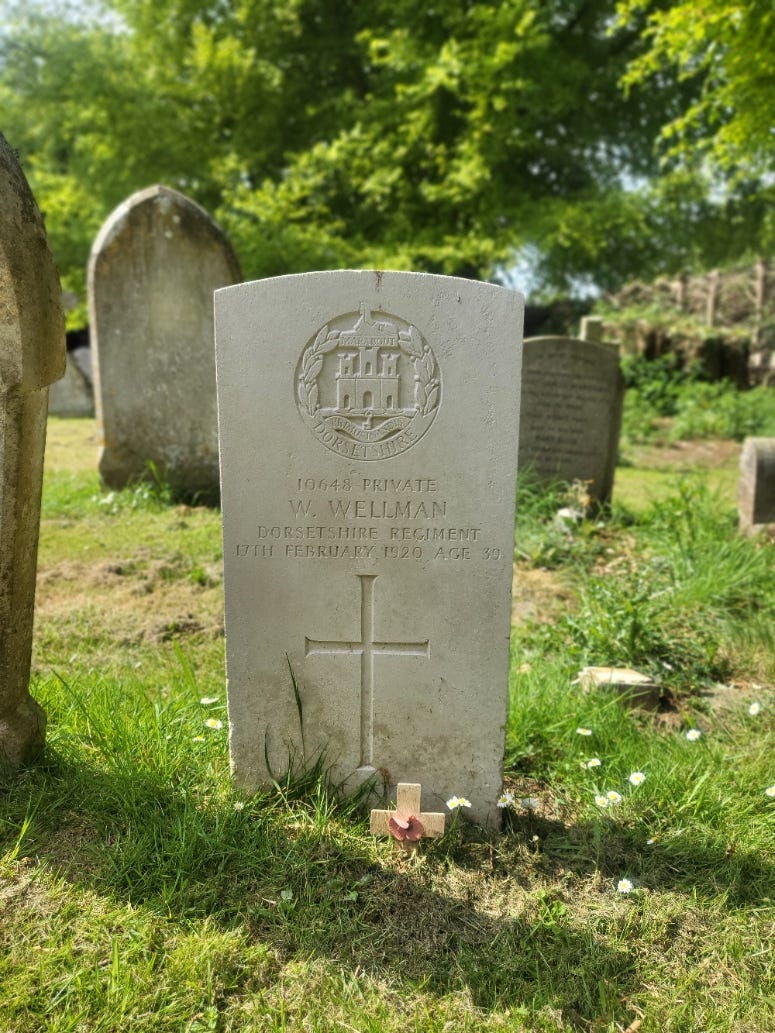
Private Wesley Wellman enlisted on 1st September 1914 and served with the Dorsetshire Regiment. In the 1911 census he was shown as single and employed as a general labourer. He would be wounded during the war and was finally discharged from the army in May of 1919. He sadly died on 17th February 1920 at the age of 39. Unfortunately I don’t know his cause of death, but it could well have been a result of the injuries he sustained while still serving.
From the Second World War we have:
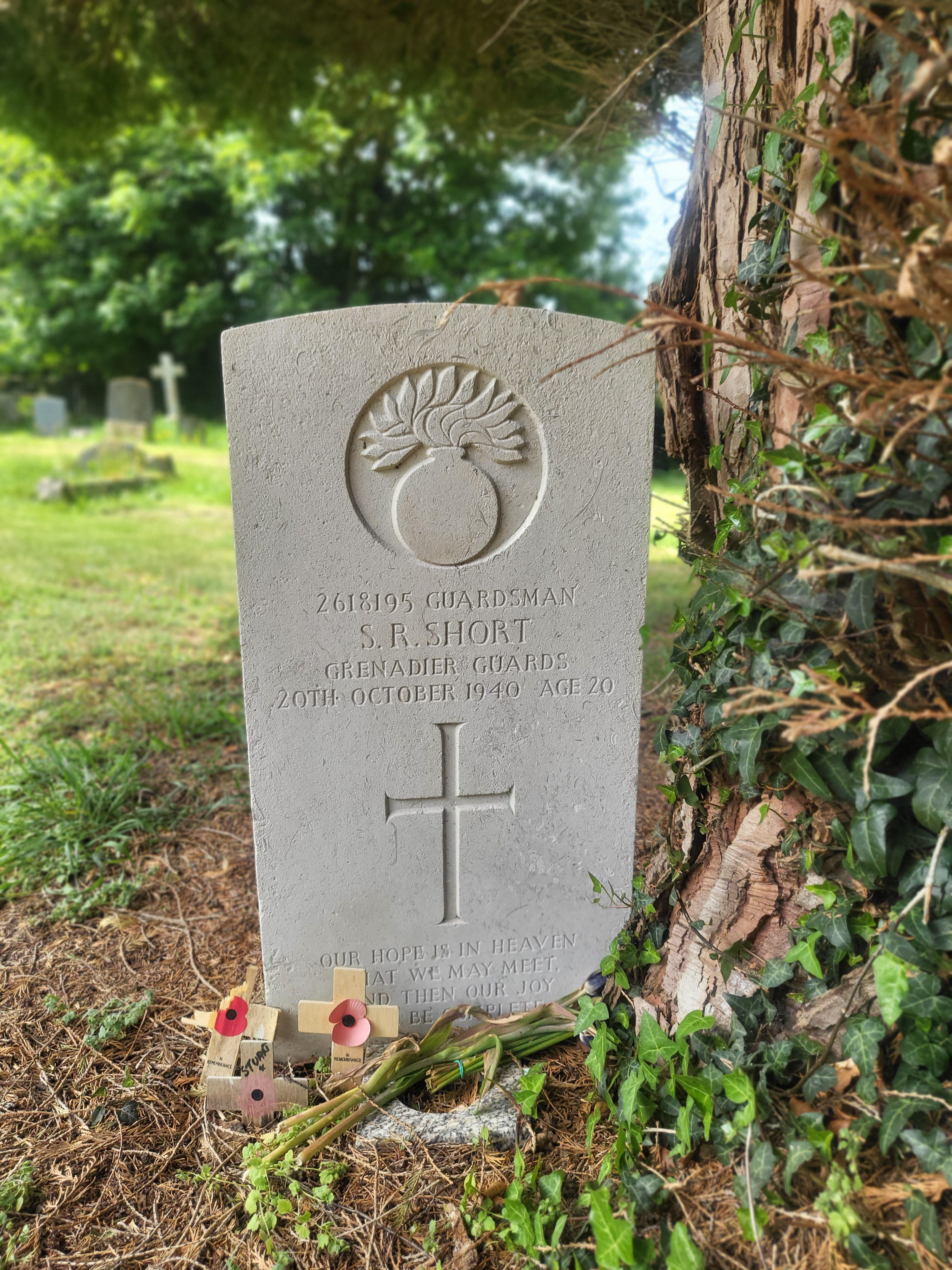
Guardsman Stewart Roy Short of the 4th Battalion Grenedier Guards. He was born of 10th January 1920 and was killed in action on 20th October 1940, aged 20. A note in the burial register reads ’First casualty of the second Great War’.
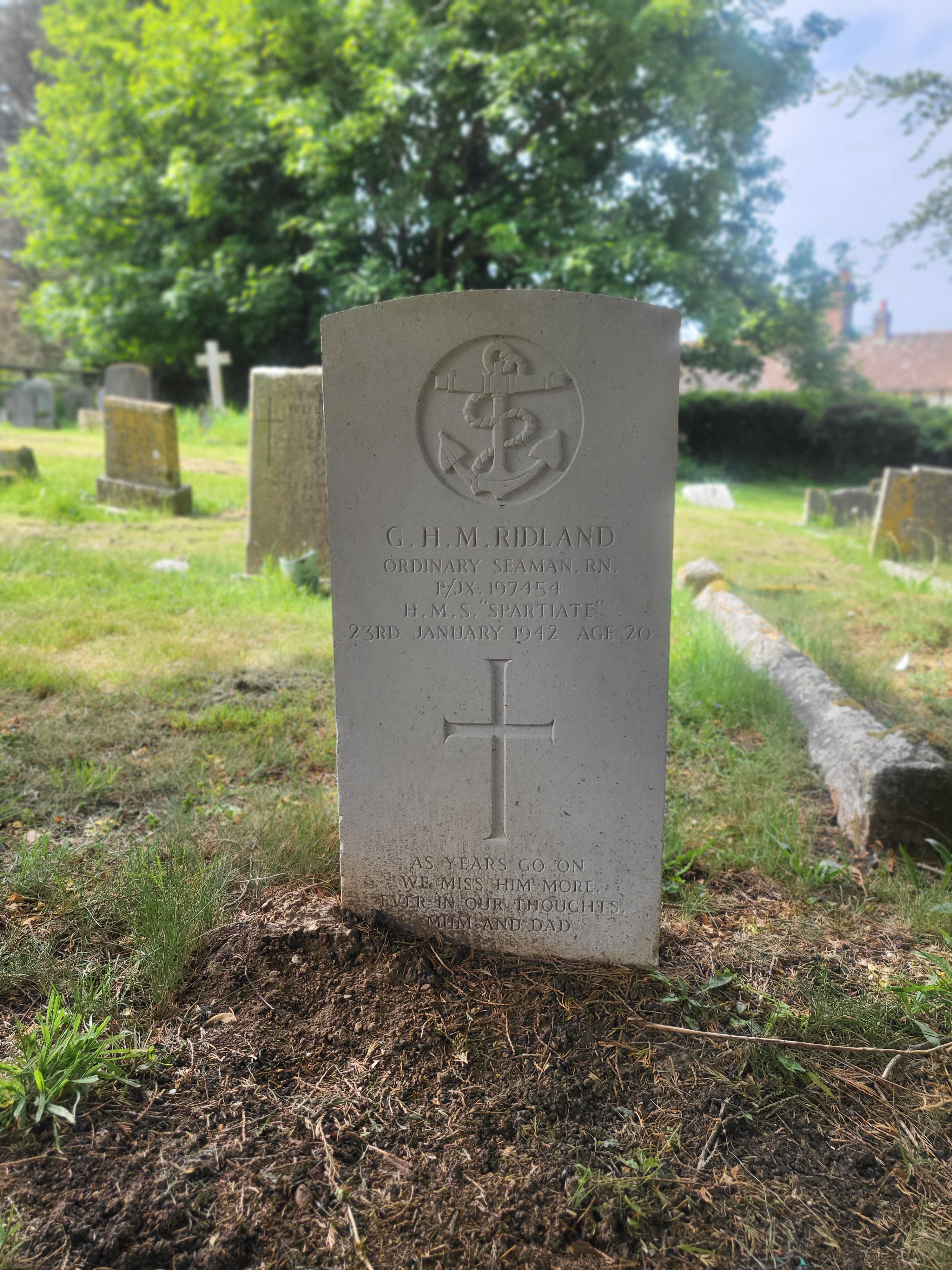
Ordinary Seaman Gordon Hector MacDonald Ridland of the Royal Navy. He was born on 21st November 1921 and was assigned to HMS Spartiate, which was a Royal Navy shore base near Glasgow in Scotland. I don’t know the circumstances of his death, but on 23rd January 1942 he passed away at Borough Sanatorium in Weymouth. The ‘sanatorium’ was an isolation hospital and treated infectious diseases, including TB. He was just 20 years old and was buried on 29th January 1942.
As mentioned there are several more recent burials of men lost in modern conflict from various regiments, including those lost while serving with special forces.
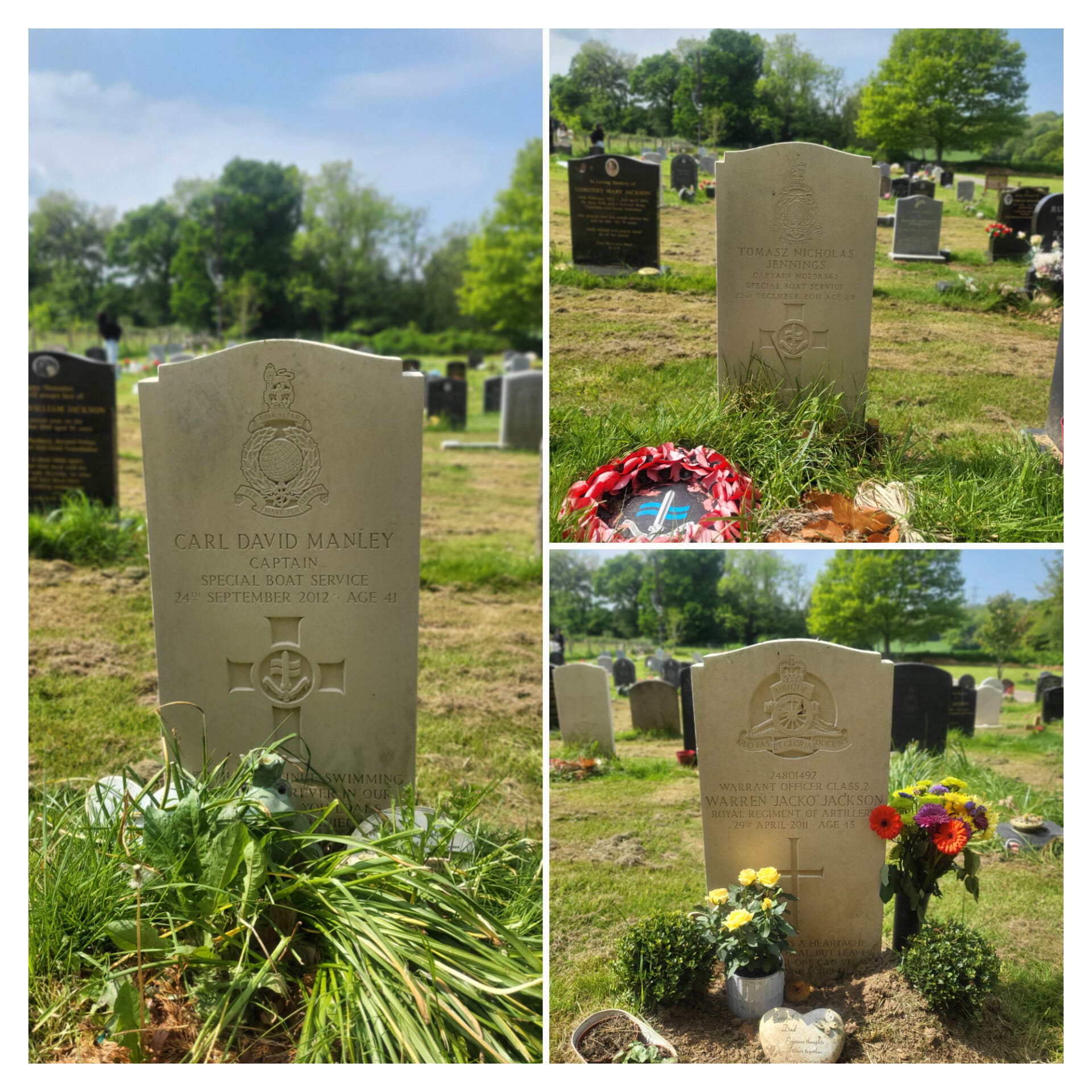
There are probably many more stories to be told from this churchyard alone, so if you decide to seek out the echoes of the past along the Church Path, don’t forget to have a walk around the churchyard it delivers you into. You never know what stories you might uncover….